
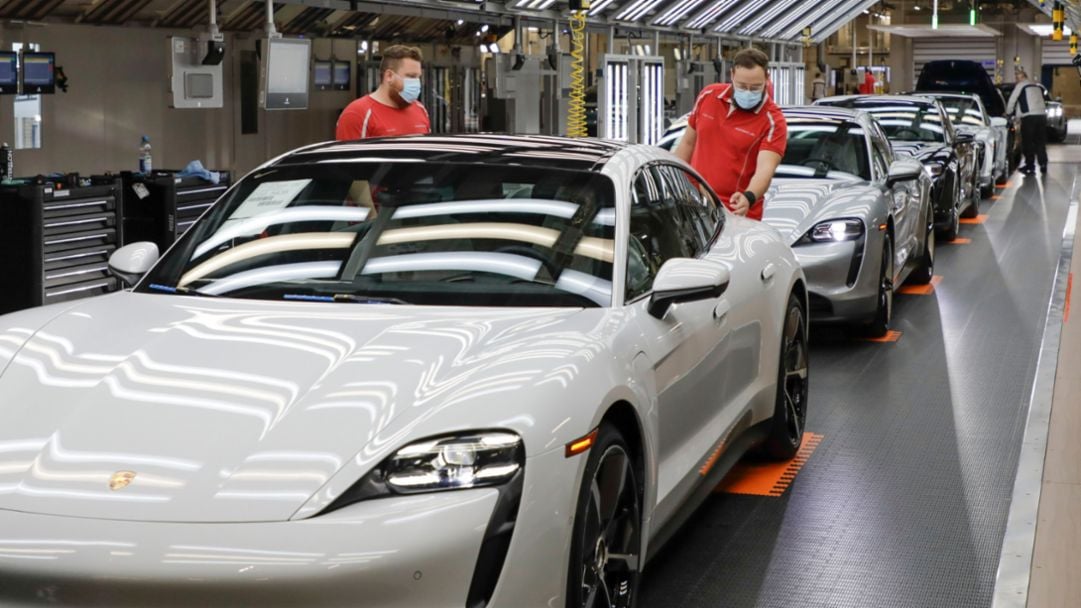
Porsche has secured union approval to cut an additional 5,000 jobs, as the German automaker prepares for a further decline in sales. The move underscores the financial pressure facing the luxury carmaker amid slowing demand in key markets and the costly shift toward electrification. While Porsche has not detailed which departments or regions will be affected, the decision signals deep cost-cutting as the company tries to protect margins.
For Saudi Arabian buyers, Porsche remains a prestigious nameplate competing in the premium segment against rivals such as Mercedes-Benz, BMW, Audi, and Maserati. Models like the Cayenne SUV and the Macan are particularly popular in the kingdom, where demand for high-performance luxury vehicles remains steady. However, job cuts on this scale could raise questions about long-term product development and dealer support in the region.

Shoppers in Saudi Arabia should watch for any impact on service and parts availability. Although Porsche’s local network is established, a reduction in workforce might slow research and development, potentially delaying new model launches or updates. For now, the current lineup—including the electrified Taycan and the upcoming Macan EV—remains competitive, but buyers may want to stay informed about any changes to warranty terms or future model allocations.

As the luxury market evolves, Porsche’s cost-cutting drive could also influence pricing and incentives. Saudi dealers might offer more attractive deals on existing stock to maintain sales momentum, but the long-term availability of certain configurations or trims may become more limited. Ultimately, while Porsche’s brand cachet keeps it in demand, the job cuts serve as a reminder that even iconic automakers face headwinds in today’s automotive landscape.





Comments (0)
No comments yet. Be the first to comment.