
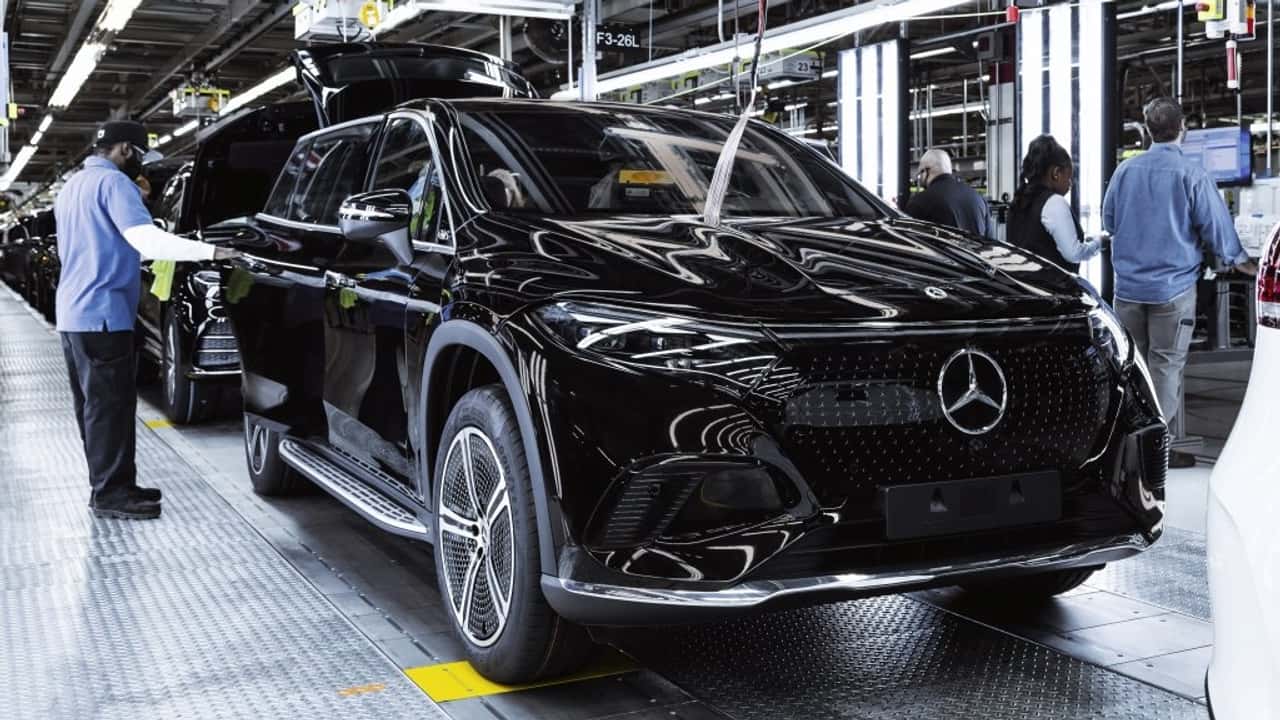
Mercedes-Benz has pushed back the start of GLC assembly at its Vance, Alabama plant to May 2030, several years later than the 2027 timeline previously envisaged. The decision means the brand's volume-selling luxury SUV will keep arriving from existing production sites rather than being built in the United States for longer than expected, and with that comes a longer stretch of exposure to import tariffs on the model.
The shift matters beyond Alabama. Building a vehicle locally is one of the main ways automakers shield a nameplate from cross-border duties, and delaying that step leaves the GLC tied to the cost and uncertainty of imported supply for longer. For buyers, that usually shows up indirectly — through how aggressively a brand can price, how it structures offers, and how quickly it can adjust to shifts in trade policy.
In the Gulf, the GLC sits at the heart of the premium SUV line-up, positioned below the larger GLE and above the compact GLB. It is the model Mercedes relies on for real volume in the luxury SUV space, competing head-to-head with the BMW X3, the Audi Q5, the Volvo XC60 and Lexus's NX, all of which are widely available through official dealers in Saudi Arabia.
For Saudi shoppers, the practical takeaway is patience and paperwork. Check the model year and the declared origin of any GLC you are quoted on, since sourcing can vary between batches and specifications sometimes differ by market. Ask the dealer to confirm the warranty terms and service package in writing, and be cautious about paying a premium on a vehicle whose pricing could be revised if trade conditions change.
It is also worth watching how rival brands respond. If tariff pressure keeps the GLC's landed cost less predictable, competitors with steadier supply chains may push harder on value, financing and extended service plans — all of which are worth comparing before committing.


Comments (0)
No comments yet. Be the first to comment.