
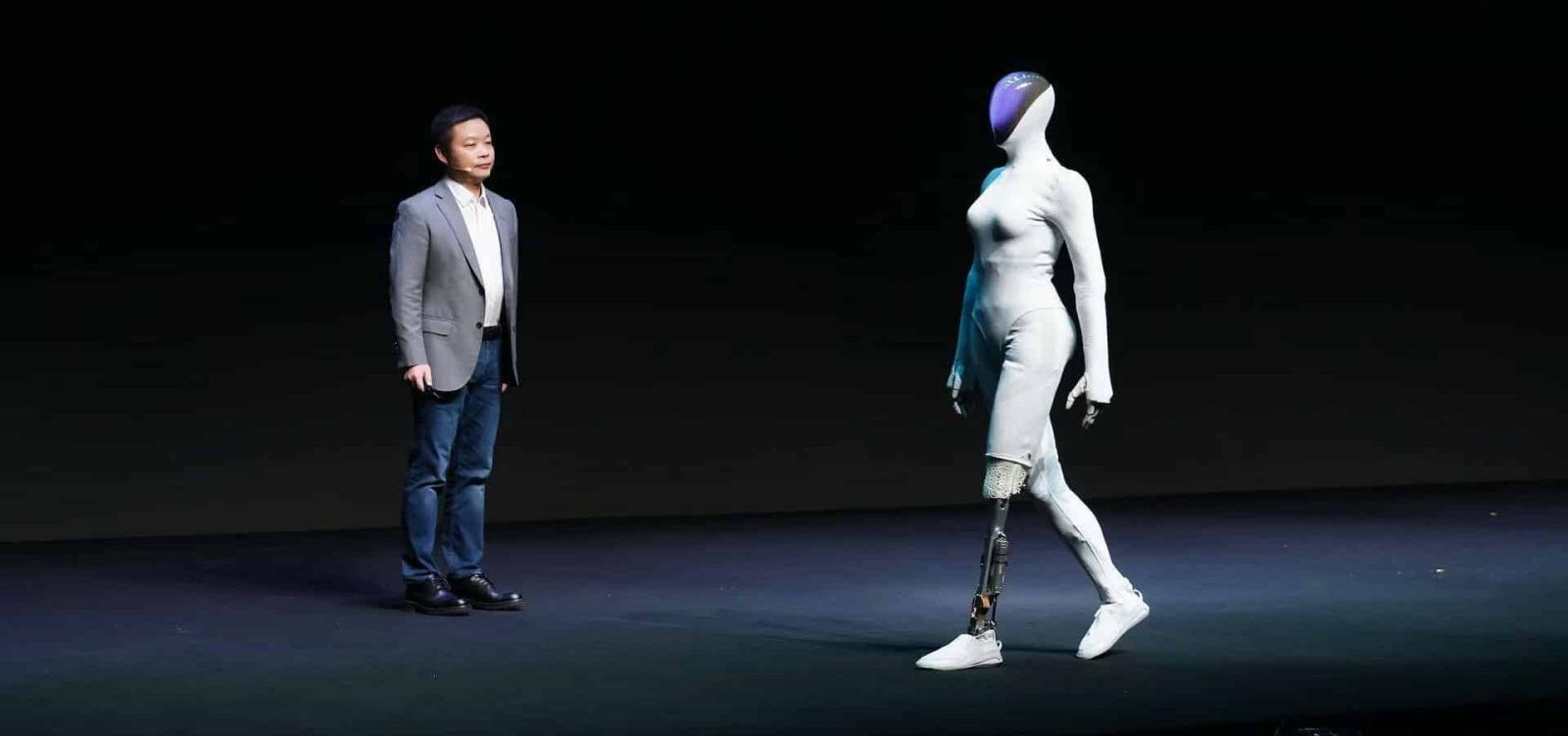
Humanoid robots have entered modern car assembly lines on a wide scale for the first time, but the result came against expectations; initial trials revealed that human workers are still much faster at carrying out precise tasks. Despite the massive development in artificial intelligence technologies, these robots designed in human form still stumble against the complexities of movement inside factories, making the current superiority of the human element clear in assembly speed and flexibility in handling emergencies.
Major global companies such as BMW and others are moving toward employing humanoid robots in heavy routine tasks, such as lifting heavy parts or repeating operations that cause strain on workers. The goal is not to replace humans now, but to ease the burden on them in difficult work environments, while retaining skilled labor in operations that require high sensitivity and precision. However, current trials show that human speed exceeds the robot by a noticeable margin, which delays the scenario of full automated control over production lines.
For buyers in Saudi Arabia, these developments mean that cars coming from European and German factories may witness a gradual shift in the way they are made, without this immediately reflecting on prices or quality. Brands such as Mercedes and Audi, which compete with BMW in the Saudi market, are closely following these trials, and it is expected that they will engage in similar projects over the coming years.



Comments (0)
No comments yet. Be the first to comment.