
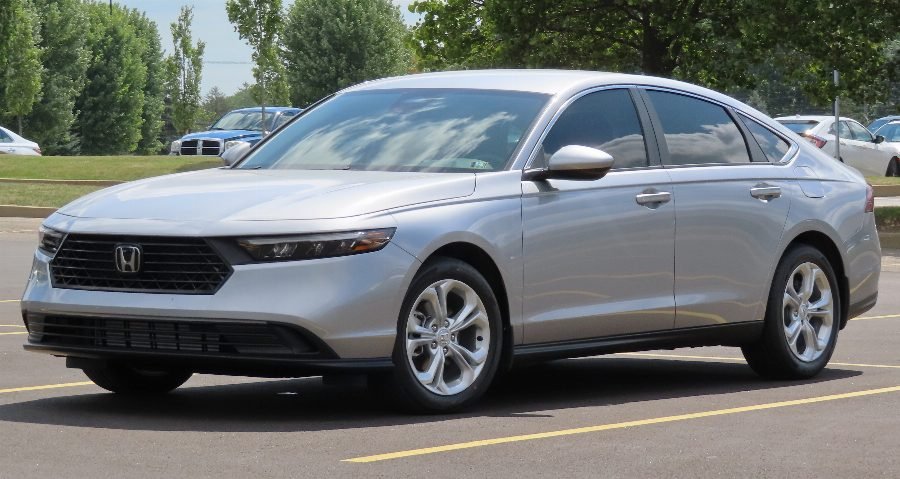
Honda is entering a stricter phase in restructuring its automotive business, as the Japanese company has asked its suppliers to lower parts costs in a clear effort to counter fierce competition from Chinese companies. This step is part of a plan targeting savings of about 1.5 trillion yen, equivalent to roughly 33 billion Saudi riyals, by 2030, at a time when the company is under simultaneous pressure from declining electric vehicle profits, rising manufacturing costs, and growing investment in new technologies.
This demand reflects a shift in Honda's strategy toward putting pressure on its supply chain rather than raising car prices for consumers, which could affect suppliers' profit margins and force them to improve production efficiency. In the Saudi market, Honda has a strong presence in the family car segment, such as midsize sedans and four-wheel-drive vehicles, categories where parts costs play a major role in long-term purchase decisions.

In the Kingdom, Honda faces strong competition from established Japanese and Korean names such as Toyota, Nissan, Hyundai, and Kia, alongside the notable expansion of new Chinese brands offering cars with rich features and competitive prices. These brands are attracting a wide segment of buyers seeking value for money, which explains Honda's aggressive move to cut costs at an early stage of product development.
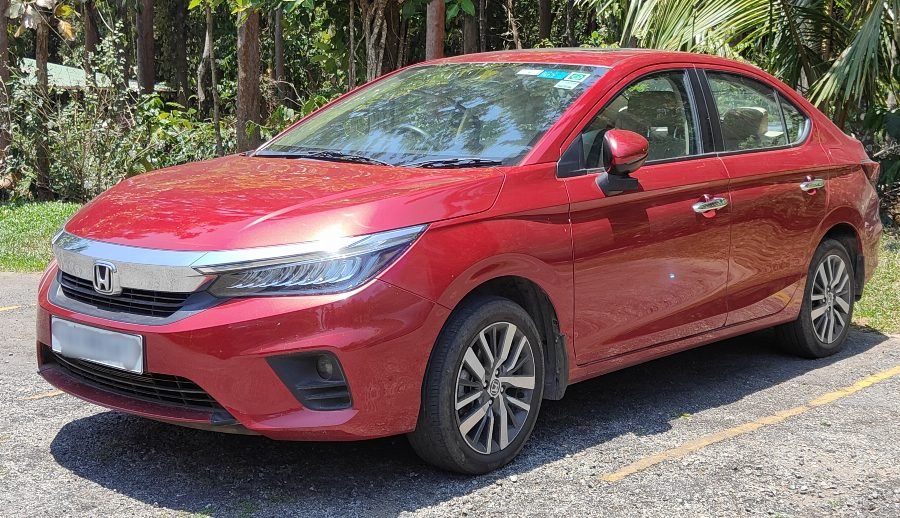
As for Saudi buyers, the most important thing will be to watch whether this cost reduction will lead to an actual decrease in car prices or an improvement in standard features without compromising the quality and durability for which Honda is known. It is also worth monitoring the extent to which the availability of spare parts and maintenance in the





Comments (0)
No comments yet. Be the first to comment.