
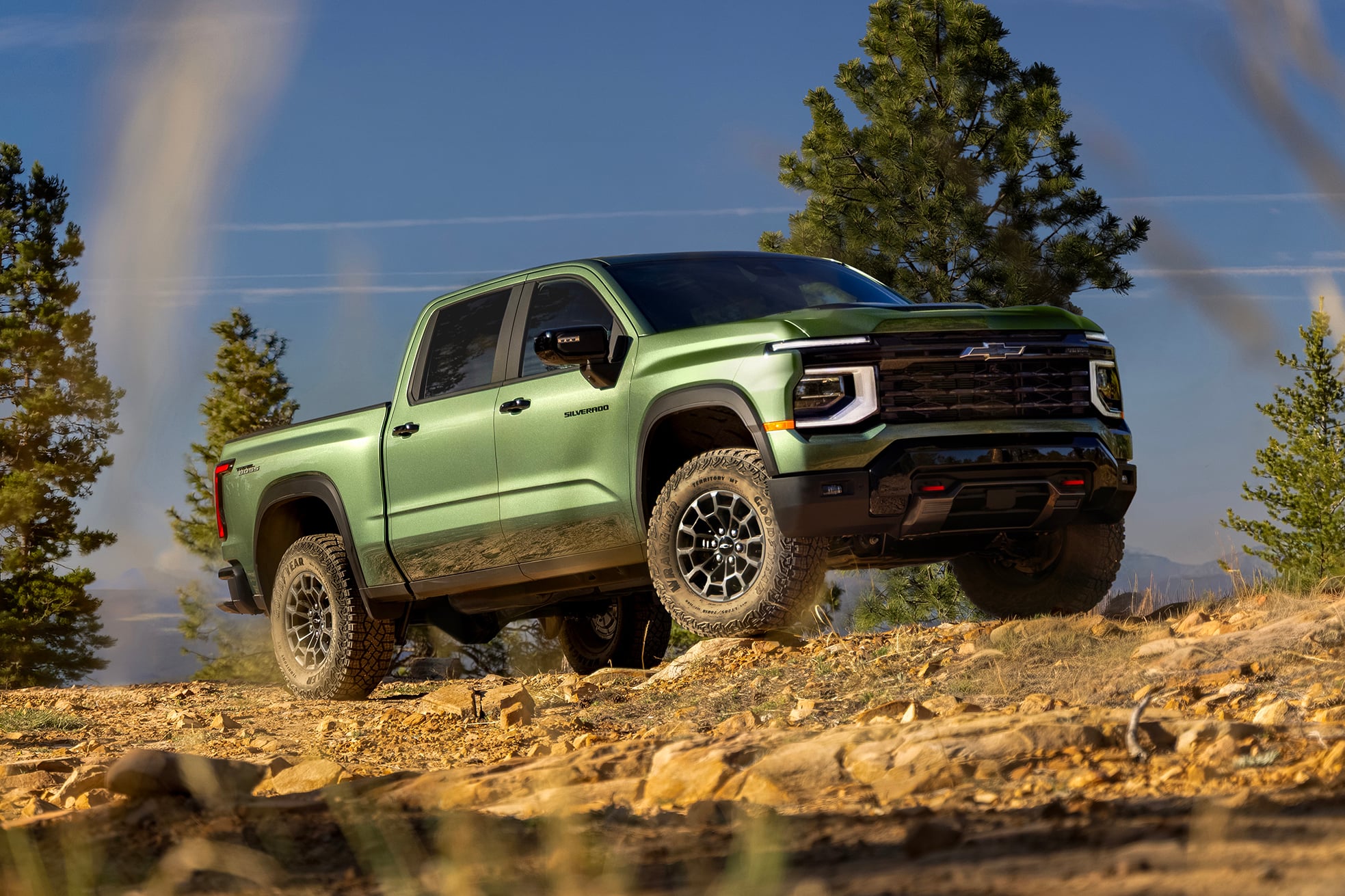
General Motors has stated that artificial intelligence and advanced simulation are cutting the time required to develop a new vehicle roughly in half, bringing the process down to around two years. The automaker points to the engineering work behind the Corvette ZR1’s high-speed capability as an example of how machine learning can accelerate testing and validation.
For Saudi buyers, the claim matters beyond the headline. GM’s regional lineup includes popular Chevrolet and GMC models, and a faster development cycle could mean quicker introductions of updated designs, new powertrains and technology features. It may also allow the company to respond more swiftly to changing demand in the Kingdom, where SUVs and pickups dominate showrooms.
The Corvette ZR1 sits at the extreme performance end of GM’s range. Rivals in Saudi Arabia include high-performance models from European brands as well as other American muscle and sports cars. While the ZR1 is a low-volume halo vehicle, the simulation methods used to refine its top-speed runs are likely to influence more mainstream vehicles over time.
GM’s rivals in the Saudi market include Toyota, Nissan, Hyundai and Ford, many of which are also investing heavily in digital engineering. If GM can indeed shorten development, it could gain an edge in bringing fresher products to market. However, the real test will be whether faster development preserves quality and durability in the hot, demanding conditions Saudi drivers face.
Shoppers should watch for how quickly new GM models arrive with meaningful updates, and whether accelerated development translates into better value, efficiency and reliability rather than simply faster refreshes. As always, thorough test drives and checks on regional specification and long-term support remain essential.




Comments (0)
No comments yet. Be the first to comment.