
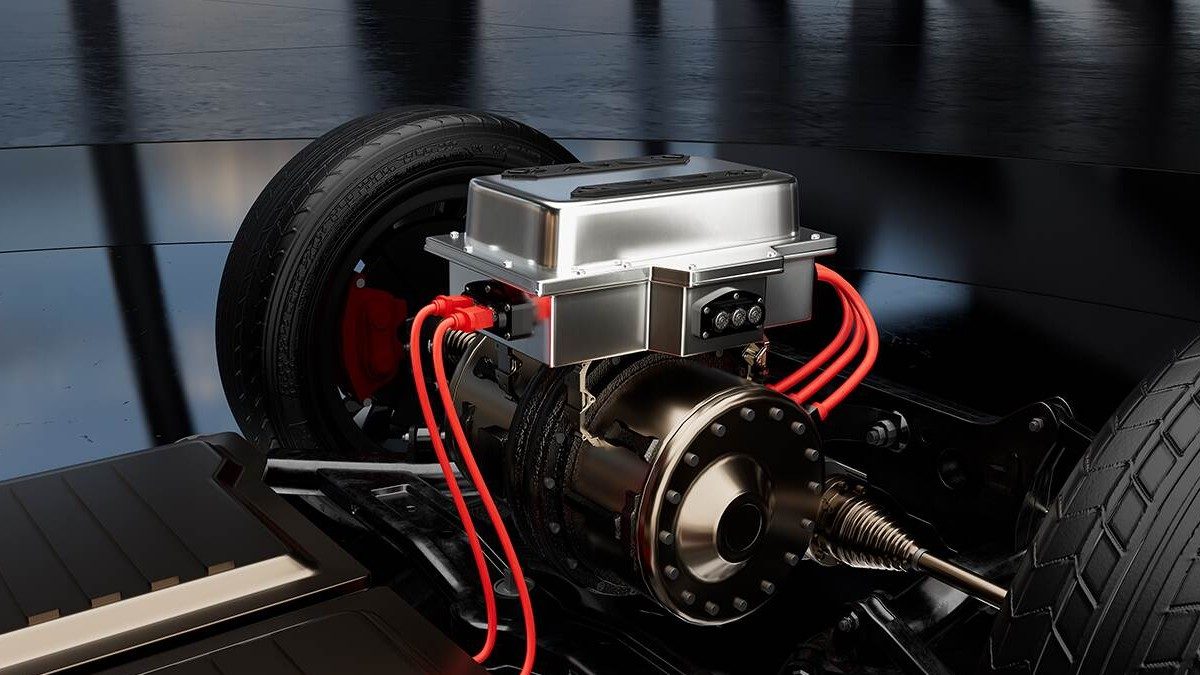
Texas Instruments has introduced a compact new sensor designed for electric vehicle motors, and the component could play a role in stretching battery range in future models. According to the company, the tiny device enables more precise motor control, which can help EVs go farther on a single charge while also smoothing out acceleration and reducing the whine often associated with electric drivetrains. The sensor is still a component for future vehicles rather than a feature found in showrooms today, but it points to how automakers are working on efficiency at the component level.
The fundamental idea is straightforward: electric motors need to know exactly where the rotor is positioned to use energy efficiently. More accurate feedback means less wasted electricity and fewer vibrations or harsh torque steps. For drivers, that translates into a calmer cabin, more refined power delivery, and potentially a longer real-world driving range without enlarging the battery pack. Since batteries are the most expensive part of an EV, improving motor efficiency is one way to lower costs or add range without a major redesign.
For Saudi buyers, this development is most relevant as the Kingdom’s EV market continues to grow. The sensor is not tied to a single brand, so it could eventually appear in a wide range of vehicles sold locally, from premium luxury sedans to more affordable crossovers. In a hot climate like Saudi Arabia, where air-conditioning usage can drain battery reserves quickly, any efficiency gain in motor control is welcome. Even a small improvement in range could make a meaningful difference for daily commuting or longer highway drives between cities.
The likely competitors for such a sensor are other semiconductor makers supplying EV motor controllers, but for shoppers the real comparison is between the vehicles themselves. Established electric models from Tesla and Lucid are already sold in Saudi Arabia, alongside offerings from Chinese and Korean brands that are expanding their presence. These automakers are all working to differentiate their cars through range, performance, and refinement, and motor-control technology is part of that race.
What buyers should watch for over the next few years is not the sensor itself, but its effects: smoother acceleration, quieter operation, and official range figures that improve faster than battery capacity grows. When new EV models arrive in Saudi showrooms, a difference of a few percent in efficiency can matter on long desert routes. This tiny component is a reminder that sometimes the biggest gains in an electric car come from the smallest parts.



Comments (0)
No comments yet. Be the first to comment.