
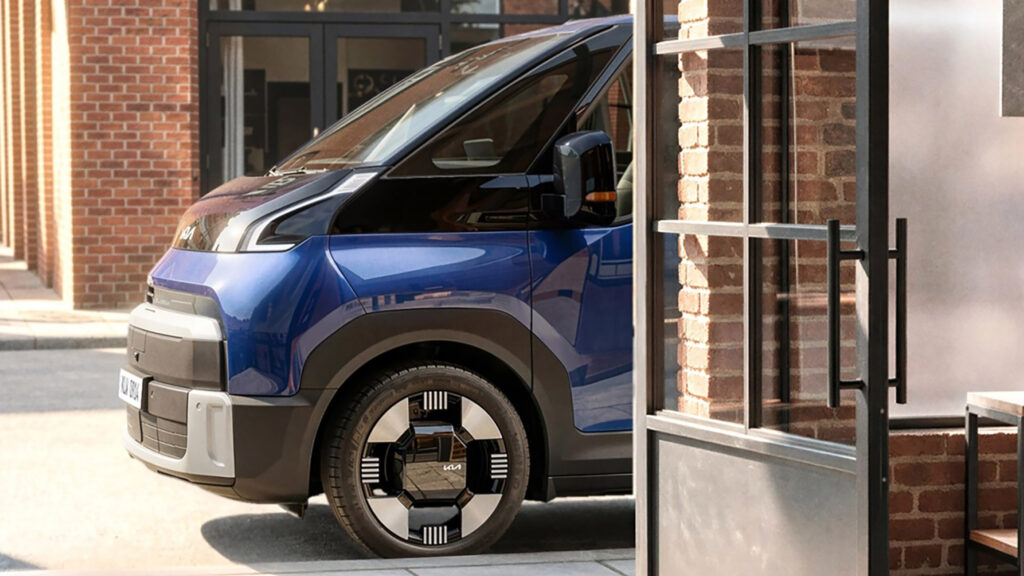
Kia has confirmed it is developing a new flagship electric van, the PV7, which will sit above the recently introduced PV5 and take direct aim at the Ford Transit in the commercial vehicle segment. The PV7 represents Kia’s ambition to challenge traditional combustion-powered workhorses with a fully electric alternative, signalling a major push into the light commercial market that has long been dominated by established names. The new model follows a similar futuristic design language to its smaller sibling, featuring slim LED lighting and sculpted fenders that give the van a more car-like, modern appearance than the boxy utilitarian look many fleet buyers are accustomed to.
In the broader Kia lineup, the PV7 acts as the larger counterpart to the PV5, which is already positioned as a versatile mid-size van. While the PV5 caters to urban delivery and passenger transport, the PV7 is expected to offer more space, greater range capacity, and higher payload potential for heavier duty operations. That places it squarely against the Ford Transit, which remains one of the best-selling vans worldwide, as well as other electric contenders entering the market. For Saudi buyers, the closest rivals are likely to include the electric versions of the Ford Transit and Mercedes-Benz eSprinter, both of which are increasingly appearing in regional fleets as logistics companies and government entities push towards electrification.
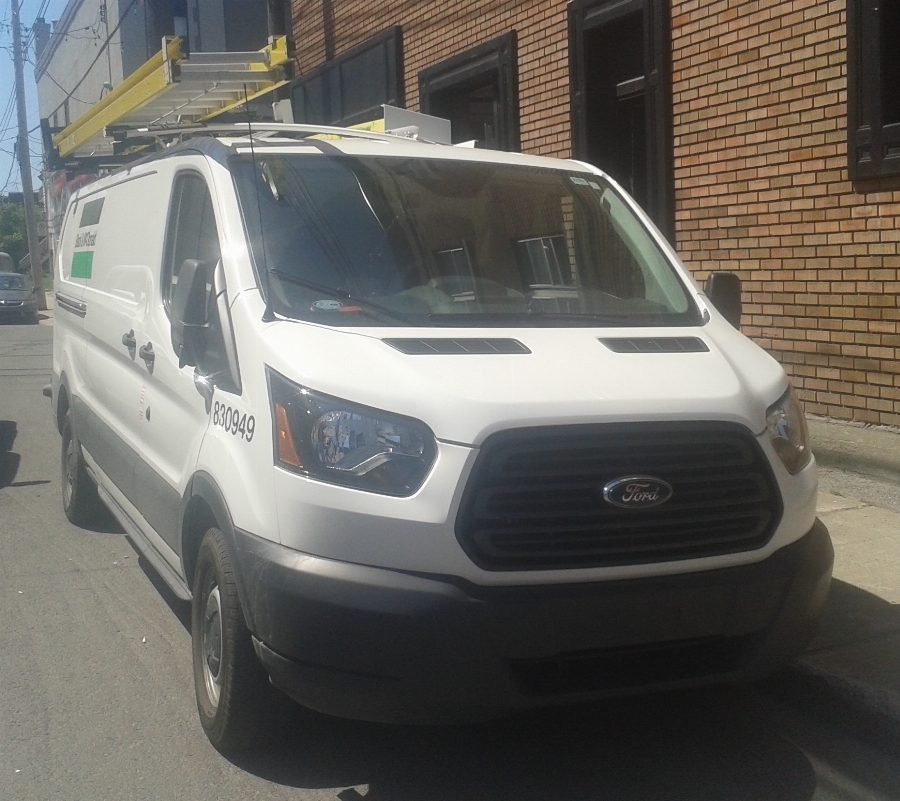
Where the PV7 sits in Saudi Arabia’s commercial segment is important because the local market has traditionally favoured diesel-powered vans for their durability and long-distance capability. The shift towards electric commercial vehicles is still in its early stages, but the Kingdom’s Vision 2030 goals and growing investment in charging infrastructure are opening doors for models like the PV7. Fleet operators will need to weigh the typical advantages of electric vans—lower running costs and reduced maintenance—against concerns about range on long desert routes and the availability of fast charging outside major cities like Riyadh and Jeddah.

Shoppers considering the PV7 should also watch for aftersales support, warranty terms, and whether Kia establishes a dedicated service network for commercial electric vehicles in the Kingdom. Battery durability in extreme heat is another critical factor, as high temperatures can affect performance and charging speeds. The PV7 will also have to prove itself on payload capacity and towing ability, which are non-negotiable for businesses that rely on vans for daily operations.
The arrival of the PV7 signals that the electric van battle is no longer confined to passenger cars. For Saudi fleet buyers, the coming years will offer more choices than ever, but the practical details of range, servicing, and total cost of ownership will ultimately determine whether the electric Transit challenger can win over the Kingdom’s commercial heartland.



Comments (0)
No comments yet. Be the first to comment.