
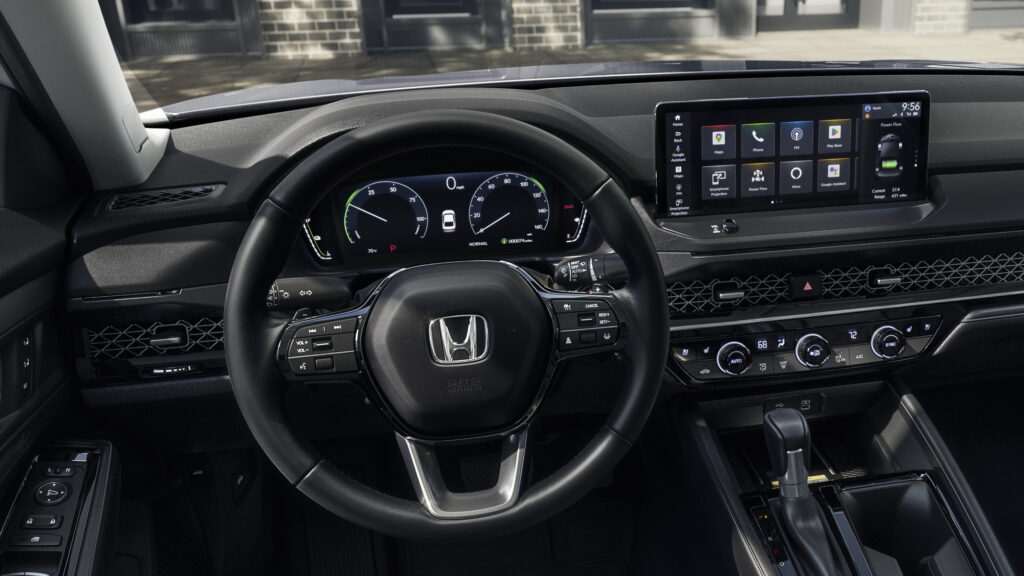
A Honda dealership in the United States has admitted to trafficking counterfeit airbags, according to federal authorities, who found the fake safety parts stored at the Ohio store. Some of the units were covered with a towel inside a clothes hamper, suggesting an effort to keep them out of sight. Investigators say the components had been shipped into the country labelled as night lights, a ruse intended to slip past inspection.
The case matters far beyond one showroom because an airbag is one of the few parts a driver hopes never to use — and one they must be able to trust absolutely. Counterfeit inflators are not built to the same tolerances as genuine units, and their behaviour in a crash is unpredictable. They may fail to deploy at all, or deploy with excessive force, turning a safety device into a hazard.
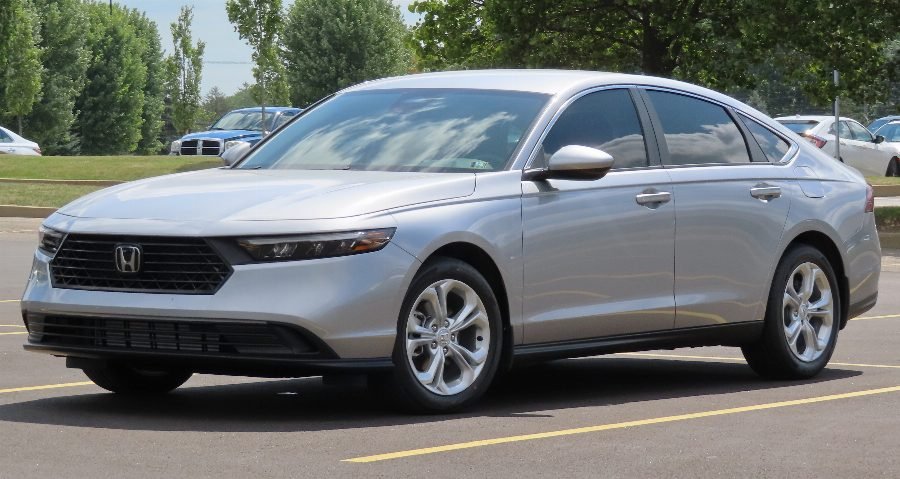
For Saudi buyers, the lesson is about where repairs happen. Honda has a loyal following in the Kingdom, with models such as the Accord, Civic and CR-V competing against the Toyota Camry, Hyundai Sonata, Nissan Altima and Kia K5. In that crowded segment, price pressure is real, and independent workshops often win business by quoting far less than authorised service centres for collision repairs.

That gap is exactly where counterfeit parts tend to appear. Shoppers should ask what brand of airbag is being fitted, request the part number and keep the invoice, and be sceptical of any quote that seems unusually low for a job involving airbags or seatbelt pretensioners. A vehicle with a repaired front end deserves extra scrutiny, whether it is being bought new from a dealer or used from a private seller.
It is also worth remembering that this is not only a Honda problem. Counterfeit components circulate across many brands, and the labelling tricks used here — disguising safety parts as ordinary consumer goods — show how far suppliers will go to move them. Buyers who insist on genuine parts through official channels, and who verify the work afterwards, are the ones best protected.
Comments (0)
No comments yet. Be the first to comment.