
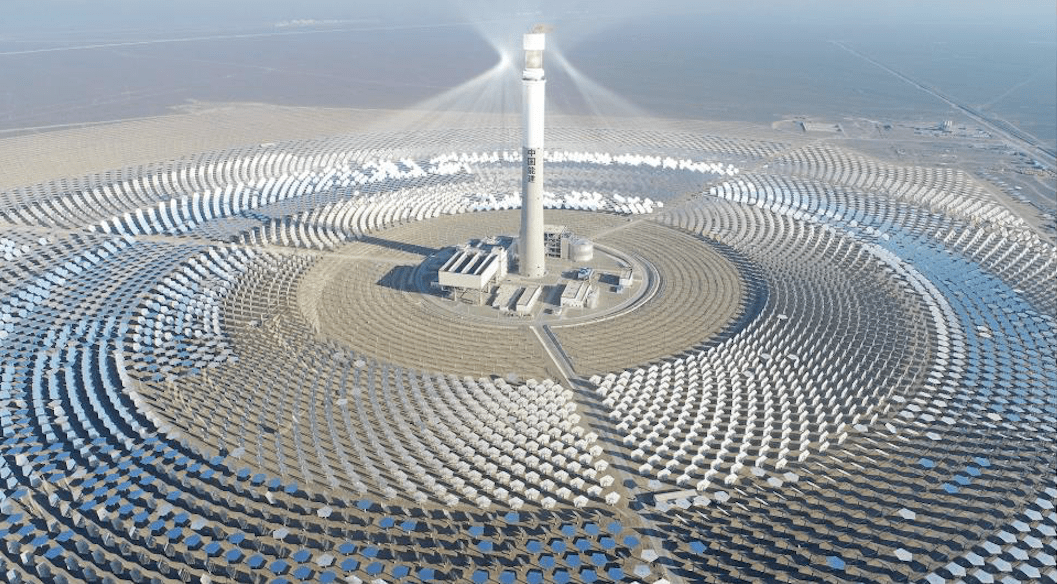
China has just passed a quiet but significant milestone in its energy transition: the country now has more installed electricity generation capacity from solar power than from coal. For the world’s largest electricity market, that is a structural shift with broad consequences, and it arrives at a crucial moment. Electric vehicle sales in China are booming, global energy prices remain volatile, and the pressure to address climate change has never been more acute. More solar capacity means a cleaner grid to charge the millions of new EVs hitting Chinese roads, slowly breaking the old assumption that electric cars are only as green as the coal plants behind them.
For Saudi car buyers, this matters more than it might seem. Many of the affordable electric models and plug-in hybrids arriving in the Kingdom are built by Chinese manufacturers, from familiar names like BYD and GWM to newer challengers. The energy that goes into building those cars—and increasingly into the batteries themselves—is becoming less carbon-intensive. That could improve the real-world environmental credentials of Chinese EVs sold in Saudi Arabia, a factor some eco-conscious shoppers weigh alongside purchase price and range.
In the Saudi market, Chinese electric vehicles are positioning themselves as value-oriented alternatives to established rivals such as Tesla, Hyundai, and Nissan. While the charging infrastructure is still growing across the Kingdom, the competitive pressure from Chinese brands is helping lower entry prices and forcing legacy automakers to respond with better warranty terms and local service commitments. Buyers considering a Chinese EV should look beyond the showroom, however. Service network density, spare parts availability, and after-sales support remain uneven across brands, so it pays to verify that a local distributor is fully backed before committing.
The bigger takeaway is about timing. As China’s grid gets cleaner, the environmental argument for EVs strengthens globally. Saudi Arabia, itself investing heavily in solar power, is on a similar path. For shoppers watching the electric transition, China’s milestone is a useful reminder that the car you buy today is tied to an energy system that is changing quickly. What looks like a simple purchase decision is also a bet on where the world’s electricity is headed.

Comments (0)
No comments yet. Be the first to comment.