
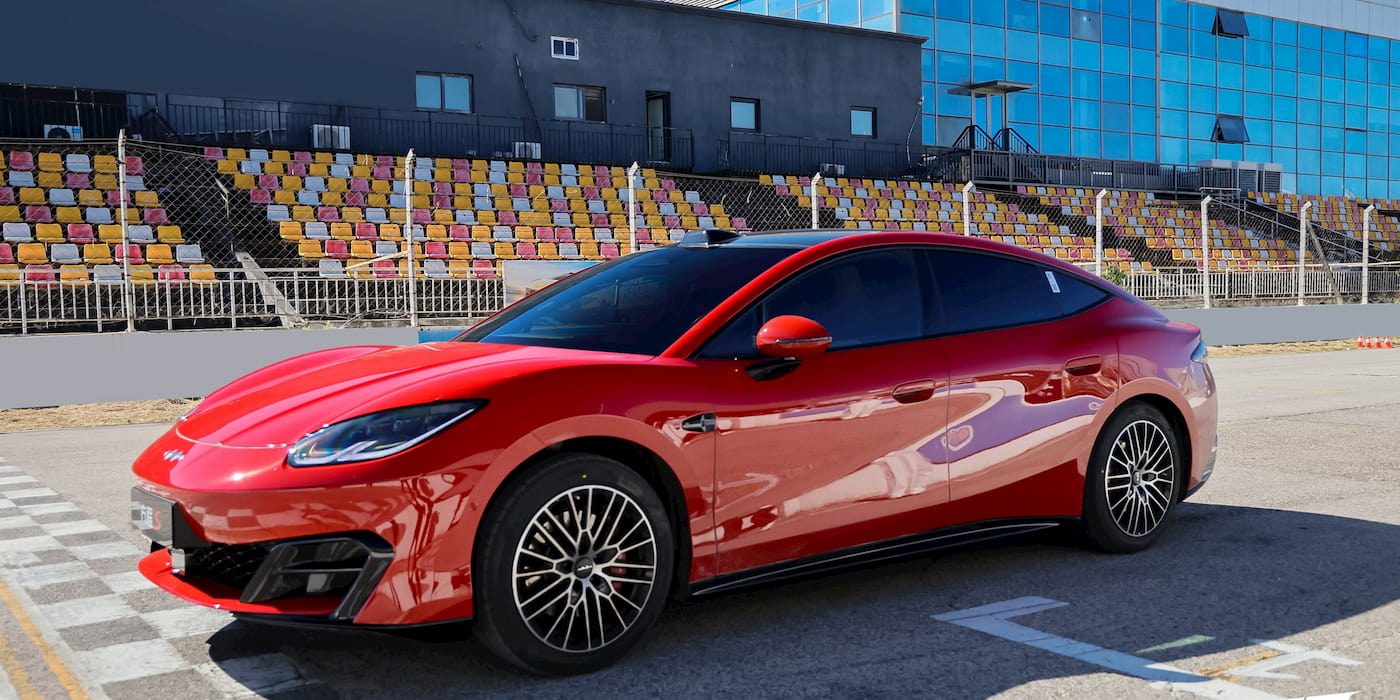
BYD has introduced a new electric sedan called the Formula S, and the headline number is its starting price: below $29,000. That figure puts the car beneath the Tesla Model 3, the model that has long defined the entry point to the premium electric sedan class. The Formula S arrives under Fang Cheng Bao, the sub-brand BYD created for its more distinctive, higher-aspiration models, and the range includes both a sedan and a GT variant.
For Saudi shoppers, the significance is less about the badge and more about the bracket. A sub-$29,000 electric sedan from a manufacturer with BYD's scale pressures everything above it, and it signals that the price war now shaping China's EV market is drifting toward the middle of the segment rather than staying at the budget end.
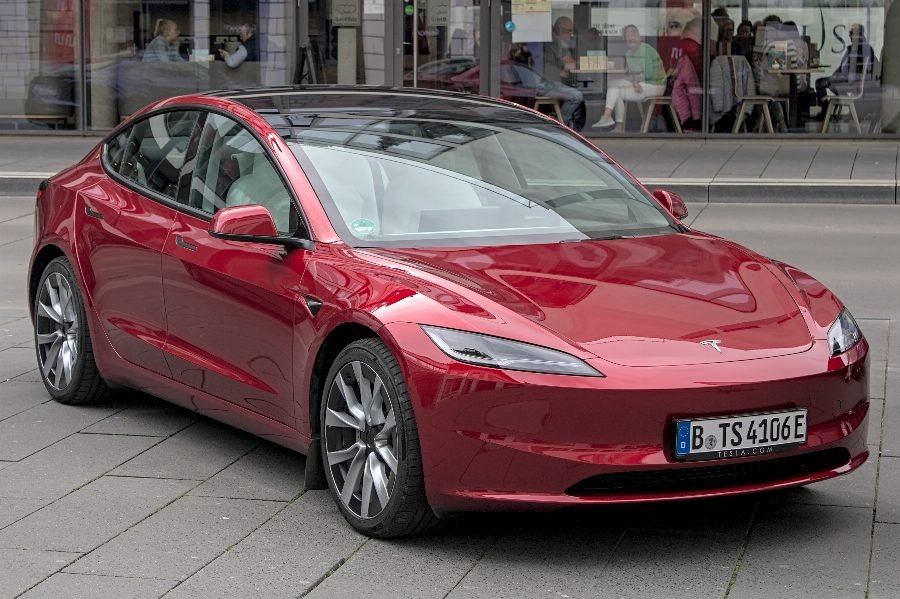
In the Kingdom, the natural comparison set includes the Tesla Model 3, the Polestar 2 and the Hyundai Ioniq 6, along with Chinese electric sedans that are either already on sale locally or expected to arrive. Buyers cross-shopping between them tend to weigh range, charging speed and cabin technology, but in this class the deciding factor is often simply how much car each brand delivers for the money.

Anyone tracking the Formula S for a Saudi purchase should watch a few practical things before getting excited about the sticker price. Import duties, VAT and dealer margins can move a headline figure considerably, so the number that matters is the local showroom price, not the one announced for other markets. Equally important is whether Fang Cheng Bao models will be sold and serviced through BYD's existing dealer network in the Kingdom, since parts availability, warranty coverage and trained technicians matter more here than a spec sheet.
Charging support is another consideration, particularly for buyers outside the major cities. A competitively priced EV is only a good deal if it

Comments (0)
No comments yet. Be the first to comment.