
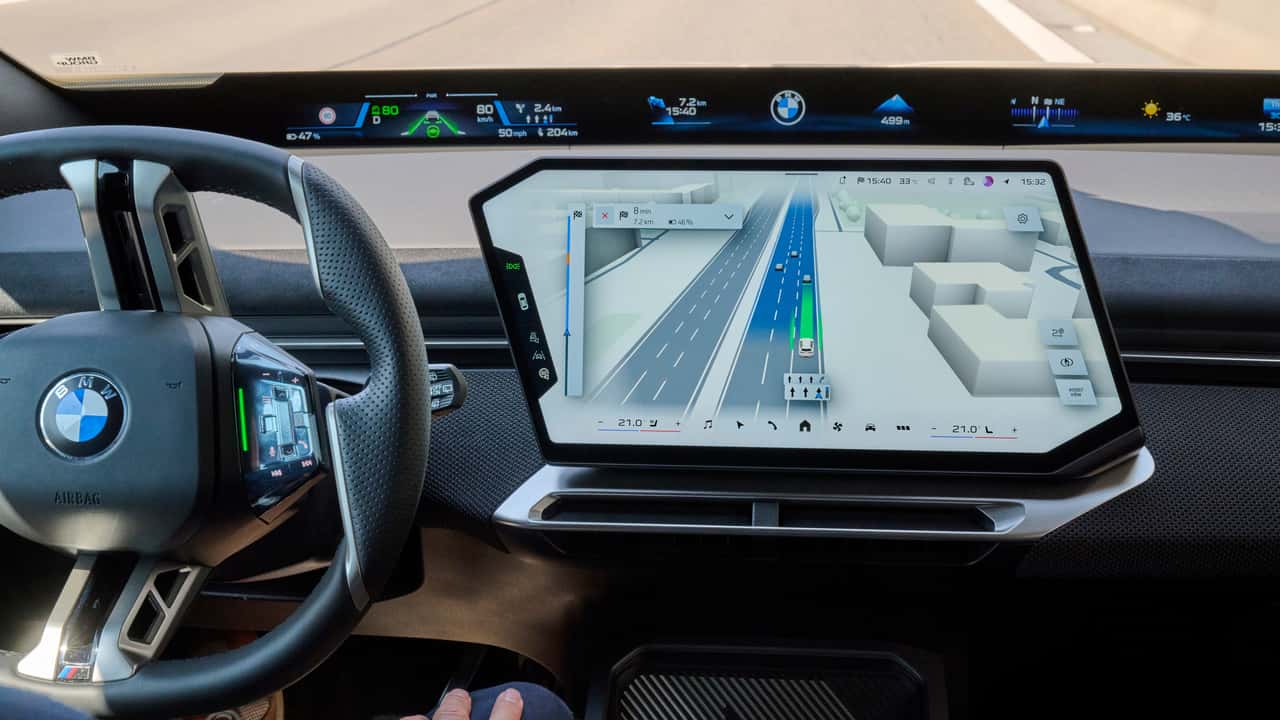
BMW is redesigning the way drivers see information on the move, folding navigation guidance and driver-assistance alerts into a single on-screen view instead of spreading them across separate displays. The brand's new iX3 will be the first model to adopt the layout, which follows an approach Tesla has made familiar, where the map, the route and the car's own awareness of its surroundings sit together in one place.
The idea is simple: rather than asking a driver to glance at one screen for the next turn and another for lane-keeping or adaptive cruise information, BMW wants both streams presented together. That could matter in Saudi Arabia, where long intercity runs on highways such as the Riyadh–Dammam route, plus constant roadworks and newly opened links, put a premium on clear, unhurried guidance.

The iX3 gives BMW a foothold in the premium electric SUV class, a part of the Saudi market that has become notably busier. Buyers cross-shopping it will likely also look at the Tesla Model Y, electric SUVs from Mercedes-Benz and Audi, and newer offerings from Korean and Chinese brands, many of which lean heavily on screen-led interiors and rapid software updates.
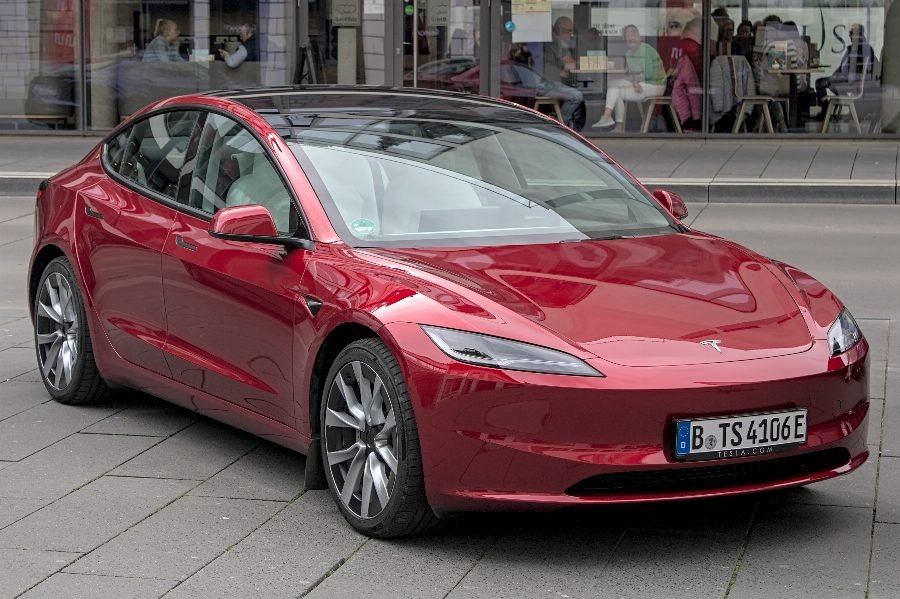
For shoppers, the practical questions go beyond the graphics. It is worth asking whether the maps and voice guidance are properly localised for Arabic and for Saudi roads, how often the system receives over-the-air updates, and whether the dealer network can support the technology after purchase. A merged display is only useful if the data behind it is accurate and current.
Software is increasingly part of what separates one electric SUV from another, and BMW's move reflects that shift. Anyone considering the iX3 should treat the infotainment and assistance features as core buying criteria, not extras, and test them on familiar roads before deciding.




Comments (0)
No comments yet. Be the first to comment.