
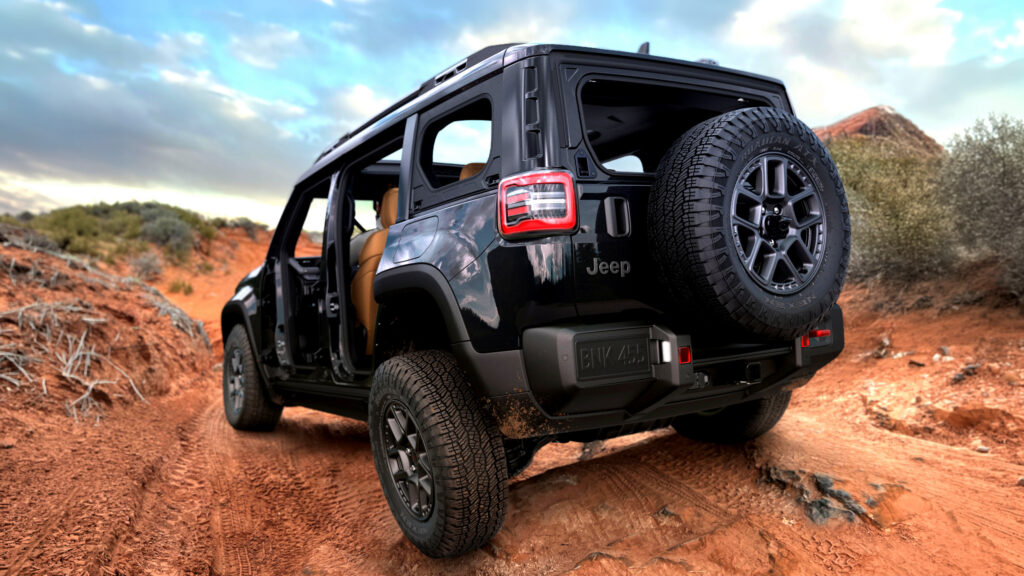
A recent survey reveals that a significant majority of American drivers remain skeptical about electric vehicles when it comes to tackling rough terrain. According to the poll, eight out of ten SUV owners in the United States would rather take a gasoline-powered SUV off-road than its electric counterpart. Pickup truck owners were even more decisive, with an overwhelming preference for traditional combustion engines over battery power for dirt, mud, and rocky trails.
The findings highlight a persistent gap between the growing EV market and the real-world expectations of off-road enthusiasts. While electric SUVs and trucks have made advances in instant torque and low center of gravity, concerns about range anxiety, charging infrastructure in remote areas, and the durability of battery packs on rough surfaces continue to weigh heavily on buyers. Even automakers that have launched electric off-road models admit that the technology is still maturing for extreme use cases.
For Saudi Arabian SUV shoppers, this survey carries clear relevance. The Kingdom has a deep-rooted off-road culture, from weekend desert camping to long-distance overlanding across the Empty Quarter. Current favorites in the segment include the Toyota Land Cruiser, Nissan Patrol, and Jeep Wrangler—all gasoline-powered and proven in harsh conditions. These models dominate the Saudi market precisely because of their reliability, refueling accessibility, and decades of off-road pedigree.
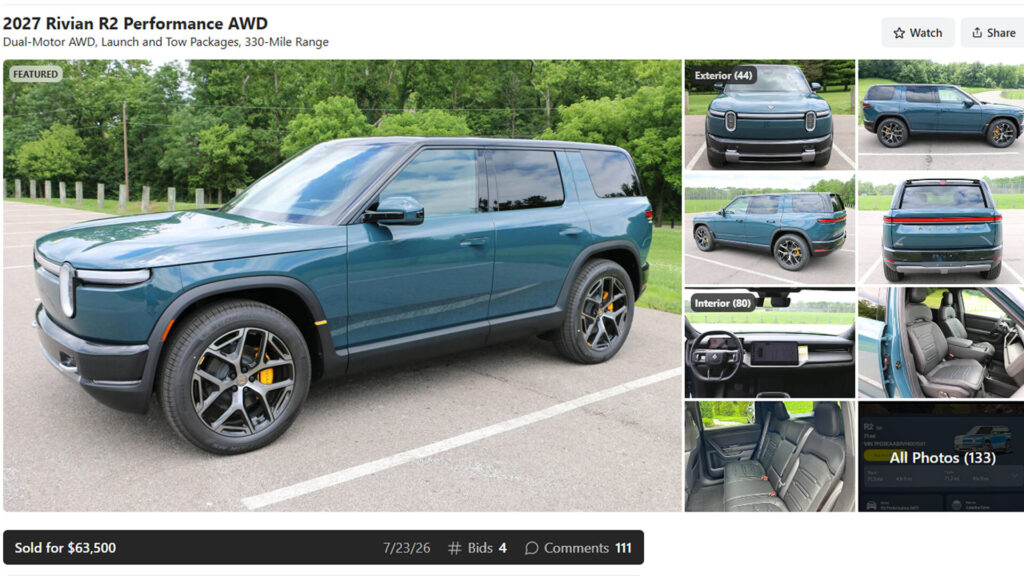
Electric off-road SUV options are trickling into the Saudi market, such as the GMC Hummer EV and Rivian R1S, but they remain niche and expensive. Buyers considering an EV for off-road use should watch for practical limitations: real-world range when climbing dunes or carrying heavy loads, availability of fast chargers near popular desert camps, and the potential for battery damage from rocks or high heat. Until these issues are addressed, the trusty gas SUV is likely to remain king in the Saudi wilderness.


Comments (0)
No comments yet. Be the first to comment.