
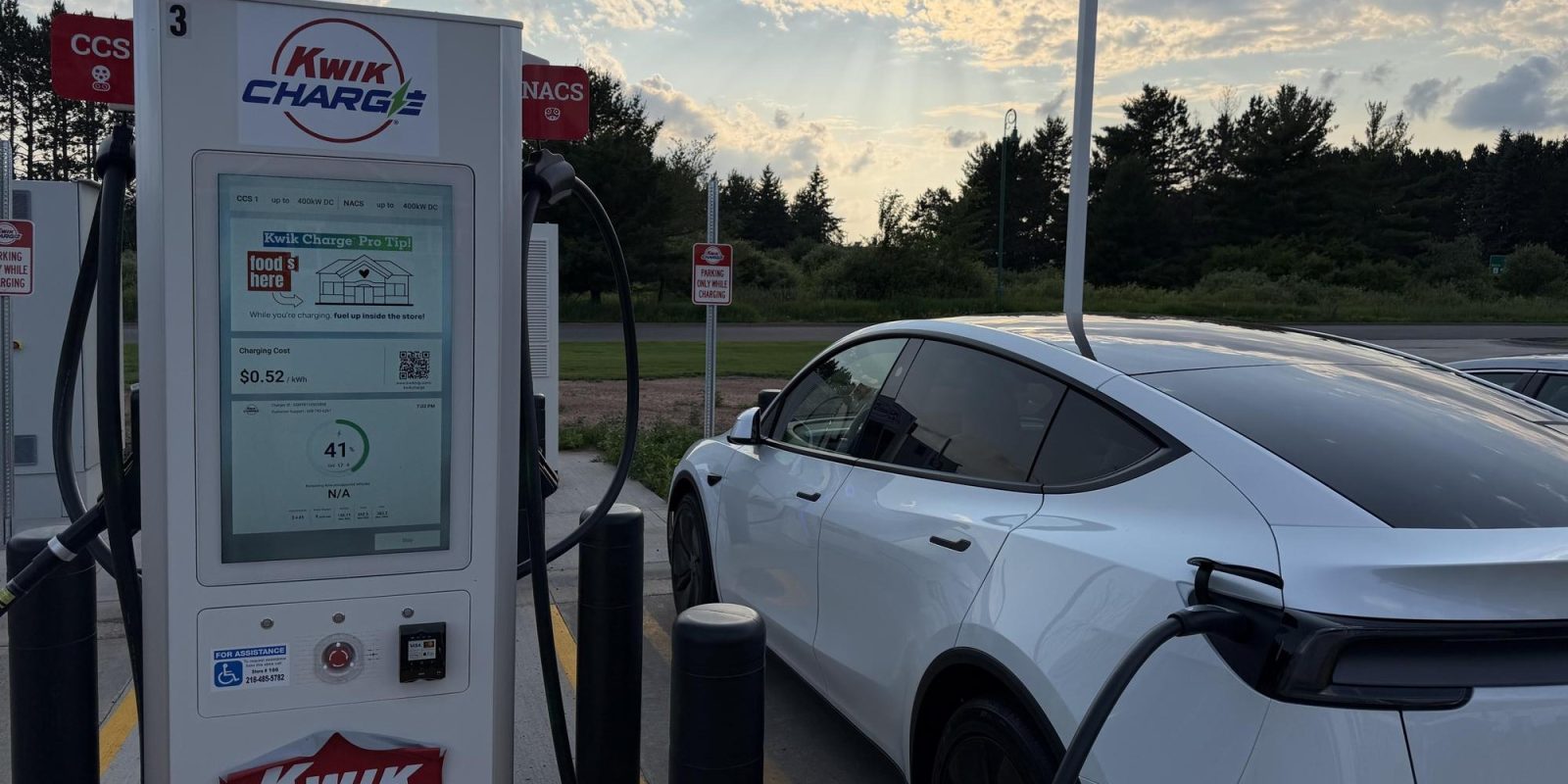
Minnesota is directing $41 million toward establishing around 40 new electric-vehicle fast-charging stations, with a deliberate focus on areas beyond the state's three main interstate corridors. The move signals a growing recognition that EV adoption depends on spreading reliable charging infrastructure into secondary highways and rural communities, not just along the busiest routes. For American EV drivers, that means a realistic crack at long-distance travel without constant range anxiety.
For Saudi shoppers, this news from the American Midwest might seem distant, but it carries a relevant message. The charging network, not the car itself, is often the true deciding factor between an EV purchase and a petrol model. When a state funds fast chargers outside major transit arteries, it is acknowledging that electric ownership matures only when everyday destinations—not just city centers—are within reach.
In Saudi Arabia, the situation is analogous. While the Kingdom’s major metropolitan areas are seeing steady deployments of fast chargers, coverage between cities and on less-traveled regional roads remains a key question for buyers. Anyone considering an EV in the Kingdom should look beyond urban driving and ask how easily they can recharge on routes to the desert, coastal towns, or neighboring Gulf countries.
The Minnesota project also enters a competitive arena, with networks like those from established operators and newer entrants racing to claim territory. Saudi drivers may one day see similar competition between international providers and local energy companies, which could drive down costs and improve reliability. For now, prospective EV owners should watch which charging standards and payment systems are supported, as compatibility remains a common headache.
Ultimately, infrastructure spending of this scale is a signal that EV momentum is broadening. Saudi buyers benefit from watching global developments because they hint at where the local market is heading. As both the US and the Kingdom invest in charging beyond the main highways, the practical case for going electric becomes stronger—provided drivers keep an eye on real-world coverage rather than headline numbers alone.

Comments (0)
No comments yet. Be the first to comment.