
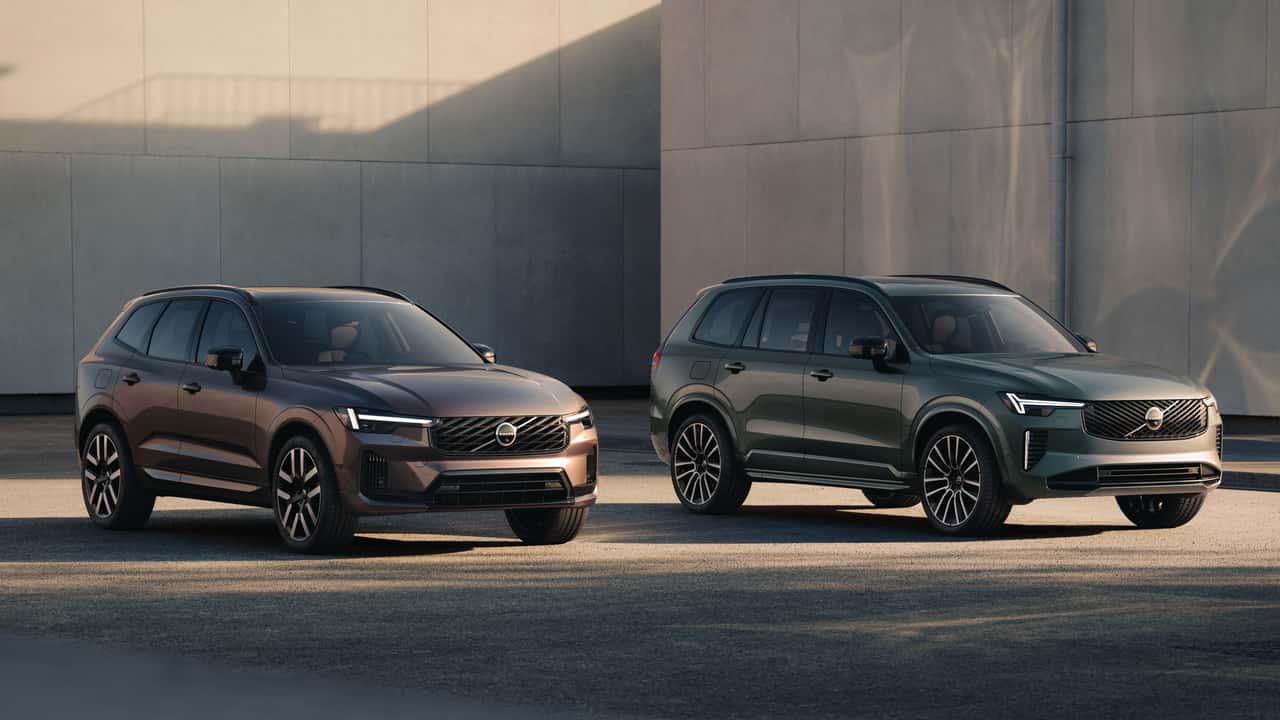
Volvo is giving the 2028 model year versions of its XC60 and XC90 plug-in hybrids a substantially larger electric-only range, more than doubling what the current generation offers. The change targets the biggest complaint buyers have about plug-in hybrids: that the battery runs flat long before the day is over, leaving them to burn gasoline in a vehicle they bought for its electric capability.
For Saudi shoppers, that matters more than it might first appear. Most plug-in hybrids on the market here are bought for their combination of tax-free silent running in city traffic and the freedom to drive to another city without planning around chargers. The XC60 and XC90 have long occupied that space, but their electric range was modest enough that many owners treated the battery as a bonus rather than the main event. A bigger usable range could shift that balance, particularly for Riyadh and Jeddah commuters who cover moderate distances daily.

The XC60 sits in the premium mid-size SUV class, where it competes with plug-in versions of the Lexus NX, BMW X3, Mercedes-Benz GLC and Audi Q5. The XC90 is the larger three-row option, facing the BMW X5, Mercedes-Benz GLE, Audi Q7 and Lexus TX. Volvo's pitch has generally leaned on safety, restrained Scandinavian design and value relative to German rivals rather than outright performance.
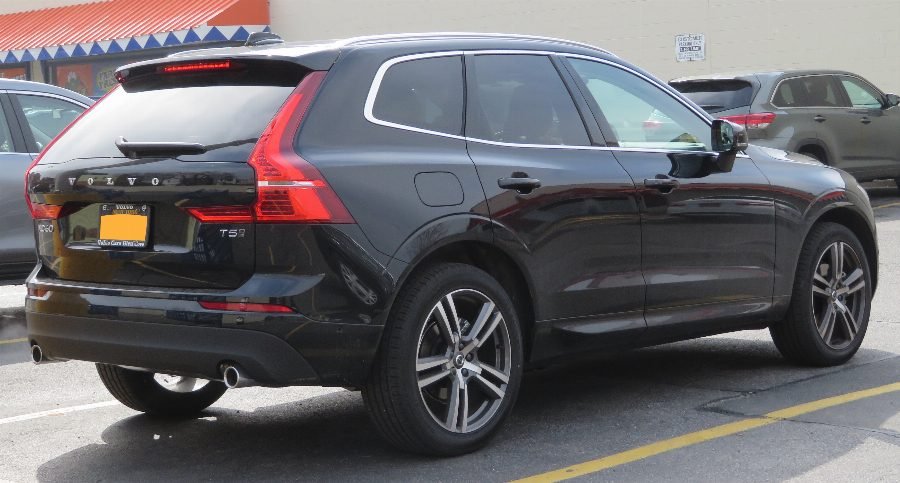
Buyers should watch a few practical points. Official electric range figures rarely match real-world results, and extreme summer heat can reduce battery performance further, so the advantage may be smaller in practice than on paper. It also remains to be seen whether the larger battery affects cargo space, pricing or charging time



Comments (0)
No comments yet. Be the first to comment.