
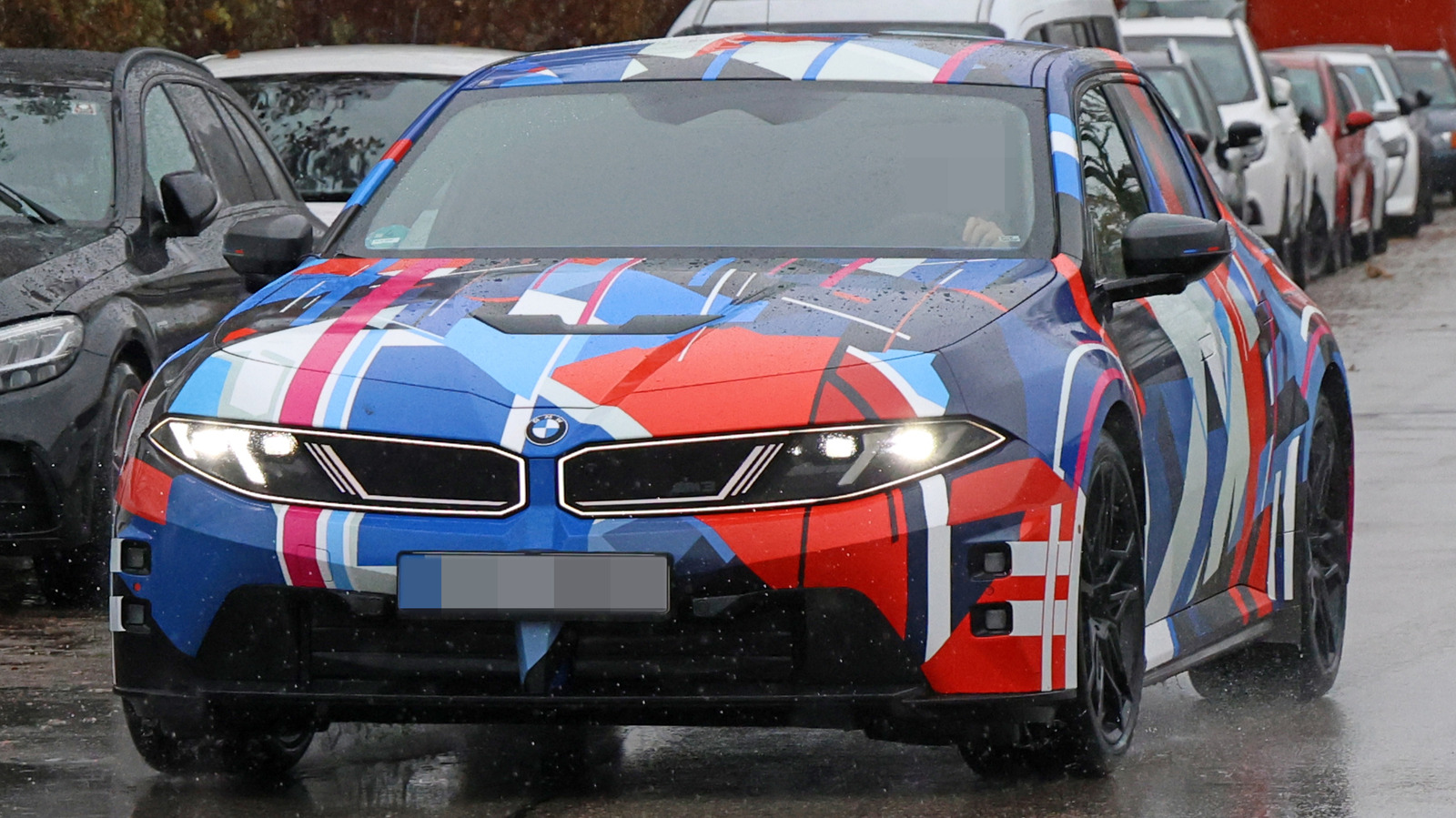
BMW's M division has taken the wraps off its first fully electric model, the M3 Electric, and the headline numbers are striking: 838 horsepower and a claimed range of more than 400 miles on a charge. It is the first time the performance arm has built an EV from the ground up rather than tuning one of the brand's existing electric cars, and BMW is positioning it as a genuine M3 rather than a quick sedan with a badge.
The hardware behind that figure is unusual. The car uses four electric motors, and the braking system is run by those motors rather than by a conventional hydraulic setup alone, which lets the software meter torque to each wheel far more precisely than a standard stability program. BMW has also engineered simulated gearshifts into the drivetrain, a deliberate choice aimed at giving drivers the rising revs and step-changes that M customers are used to, even though there is no gearbox in the traditional sense.

That is the clearest line between this car and the regular i3. The i3 is a comfort-focused electric sedan built for quiet, easy daily driving; the M3 Electric is a much more aggressive proposition, with M-specific chassis tuning, wider bodywork and a cabin and interface aimed at enthusiasts. Think of it as the difference between a 3 Series and an M3, translated into electric terms.

In Saudi showrooms, the natural rivals sit in the electric performance sedan class: the rapid versions of the Tesla Model 3, Audi's RS-badged electric models and high-output Mercedes-AMG offerings, with the Porsche Taycan as a step-up alternative. Buyers cross-shopping these will be comparing straight-line pace, badge prestige and how each car copes with Jedd


التعليقات (0)
لا توجد تعليقات بعد. كن أول من يعلّق.