
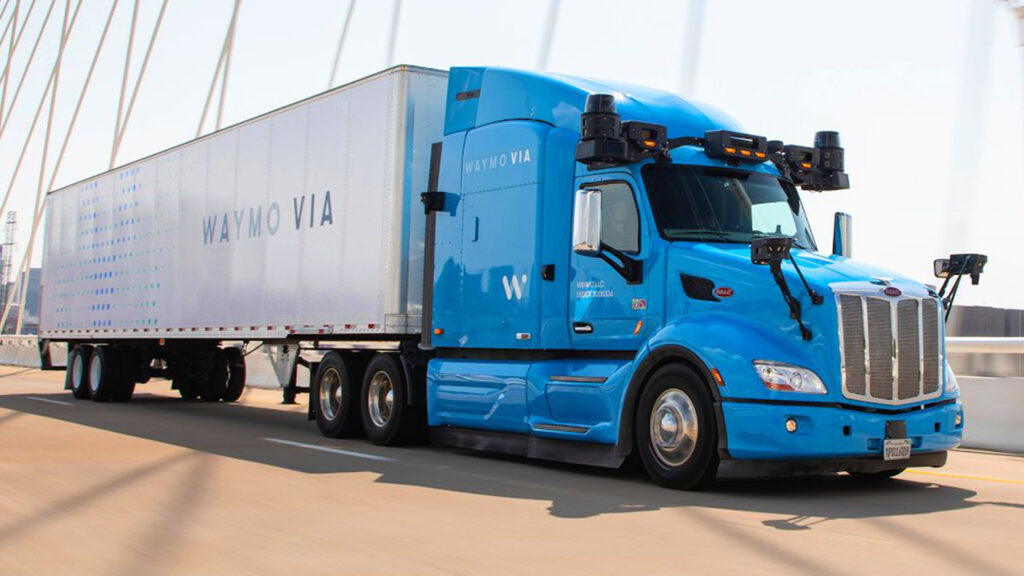
The International Brotherhood of Teamsters, a union representing about 250,000 workers, has filed a lawsuit against California regulators over the approval of driverless semi-trucks. The union claims the state cleared autonomous heavy trucks for operation without conducting a legally required economic impact review, putting an estimated 200,000 driving jobs at risk. The legal challenge argues that the rollout prioritizes technology over the livelihoods of thousands of professional drivers.
This dispute highlights a growing global question: how quickly should fully autonomous commercial vehicles be allowed onto public roads? For the union, skipping the mandated review is not a minor procedural error but a fundamental failure to weigh the social and economic consequences of automation. The outcome of this case could set an important precedent for how other jurisdictions, including those in the Gulf, approach the licensing and regulation of self-driving freight vehicles.
For Saudi Arabia, the case is worth watching closely. The Kingdom is actively modernizing its logistics sector and has shown interest in autonomous mobility as part of its long-term economic diversification plans. While consumer self-driving cars often capture headlines, autonomous semis represent a more immediate and disruptive shift because of their direct impact on supply chains, delivery costs, and the workforce that powers the trucking industry.
In the commercial vehicle segment, autonomous trucks are not yet a mainstream category in Saudi Arabia. Fleet operators there typically rely on established heavy-duty trucks from global manufacturers known for diesel and gas powertrains. The new generation of self-driving semis would enter the market as a high-tech alternative, but they are likely to face stiff competition from traditional trucks that have proven reliability and an existing




التعليقات (0)
لا توجد تعليقات بعد. كن أول من يعلّق.