
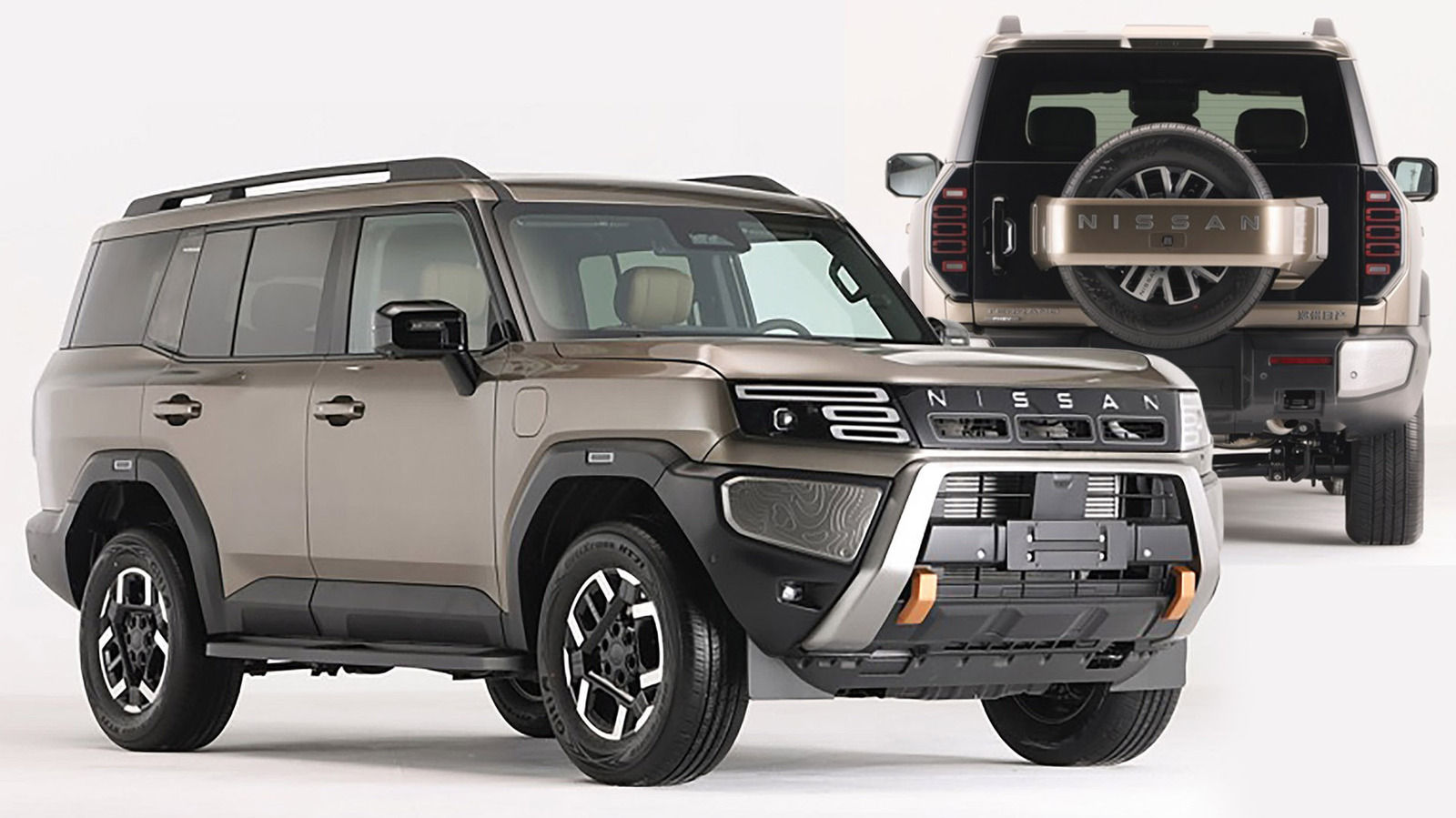
Nissan's new Terrano has surfaced in Chinese type-approval filings, giving the first clear look at a production model that marks a shift in direction for the nameplate. Unlike the car-derived crossover that previously carried the badge in some markets, this Terrano is built on a ladder-frame chassis — the traditional body-on-frame layout used by serious off-roaders and heavy-duty family SUVs. The filings indicate the range will offer gasoline, diesel and plug-in hybrid powertrains, and that the vehicle is not planned for the American market.
For Saudi shoppers, the architecture matters more than the badge. Body-on-frame construction is what underpins the models that dominate the Kingdom's large SUV segment, where durability on desert tracks, highway stability under load and long-term resale appeal all count. By moving the Terrano onto this platform, Nissan is positioning it against established mid-size and full-size off-road SUVs rather than soft-road crossovers.
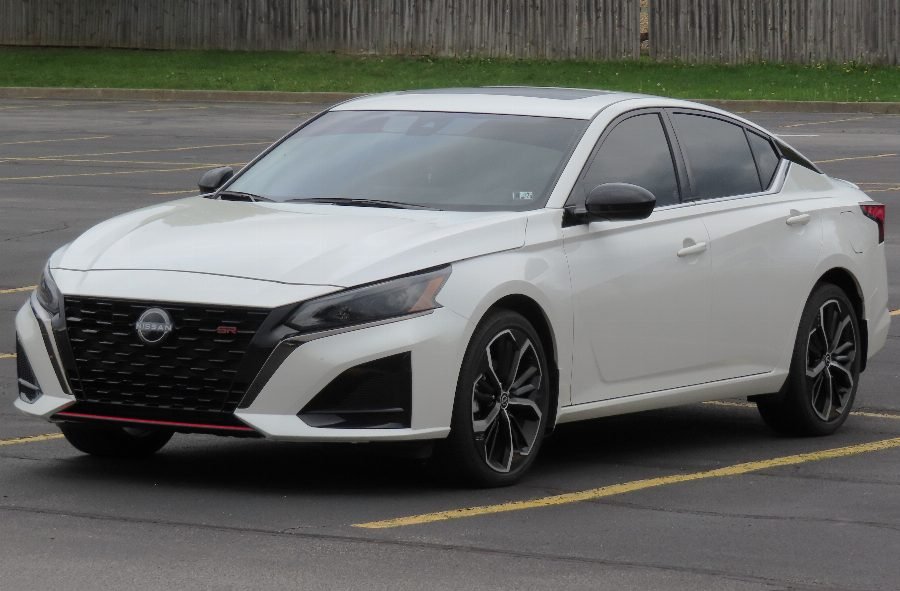
The obvious rivals are the usual suspects on Saudi forecourts: the Toyota Land Cruiser Prado and Fortuner, the Mitsubishi Pajero Sport, the Ford Everest and the Isuzu MU-X. Depending on how Nissan sizes and specs the Terrano, it could also overlap with newer Chinese ladder-frame offerings that have gained ground on value and equipment.

The plug-in hybrid option is the most interesting detail for this market. Electrified off-roaders are still a small slice of Saudi sales, so buyers should watch how the battery pack is packaged, how the cabin and cargo area are affected, and whether the electric side is tuned to help in low-speed sand work or purely to cut fuel consumption.
Availability and pricing in Saudi Arabia have not been confirmed, and US exclusion says little about Gulf plans. Shoppers interested in this class should wait for official specifications rather than assume the Chinese lineup carries over.



التعليقات (0)
لا توجد تعليقات بعد. كن أول من يعلّق.