
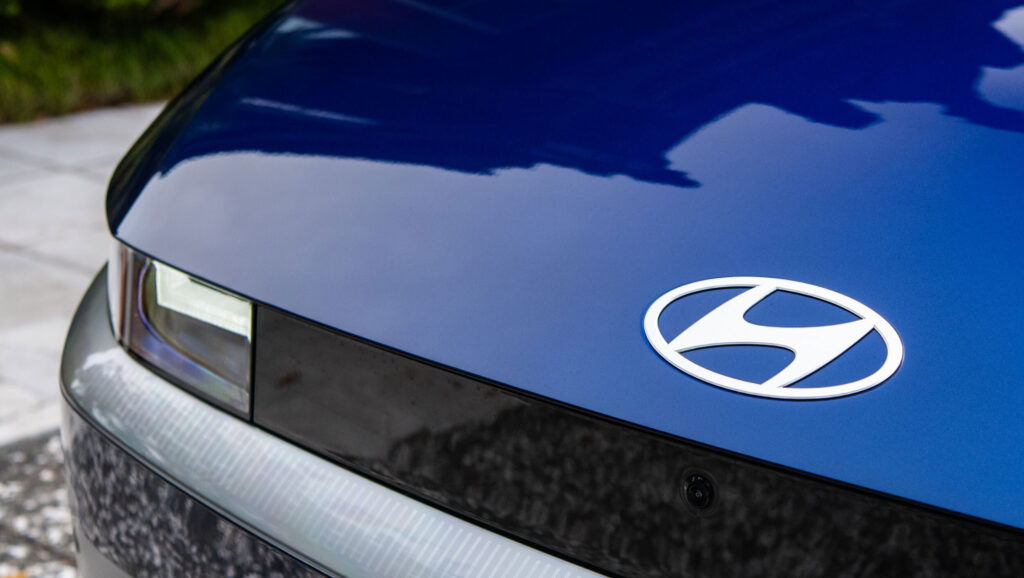
Hyundai has reached a settlement with its striking workers, ending a labor dispute that was driven largely by concerns over automation and the future of manufacturing jobs. The tentative agreement is said to include higher wages, a performance bonus, and improved benefits, according to people familiar with the talks. The deal brings a measure of stability back to the automaker’s production lines after weeks of disruption.
The walkout highlighted a growing tension across the global auto industry, as manufacturers invest heavily in robotics and artificial intelligence while their workforces demand a share of the gains and protection from job displacement. For Hyundai, resolving the strike swiftly was crucial to maintaining output and meeting demand in key export markets, including the Middle East.

For Saudi buyers, the news carries some indirect significance. Hyundai is a well-established name in the Kingdom, with models like the Sonata, Elantra, and Tucson occupying popular positions in the midsize sedan and compact SUV segments. These vehicles are typically assembled overseas, meaning prolonged labor unrest could have affected supply and delivery times in Saudi showrooms. With the settlement now in place, shoppers can expect a steadier flow of inventory in the coming months.

In the Saudi market, the Sonata faces off against the likes of the Toyota Camry and Honda Accord, while the Tucson squares up against the Toyota RAV4 and Nissan X-Trail. The resolution of the strike should help Hyundai keep pace with these rivals, especially as competition in these segments remains intense.
Buyers should still watch for any ripple effects. While the wage increases and bonuses may add to Hyundai’s production costs, automakers typically absorb such expenses to keep prices competitive in a price-sensitive market like Saudi Arabia. That said, delivery times could fluctuate slightly as production ramps back up, so


التعليقات (0)
لا توجد تعليقات بعد. كن أول من يعلّق.