
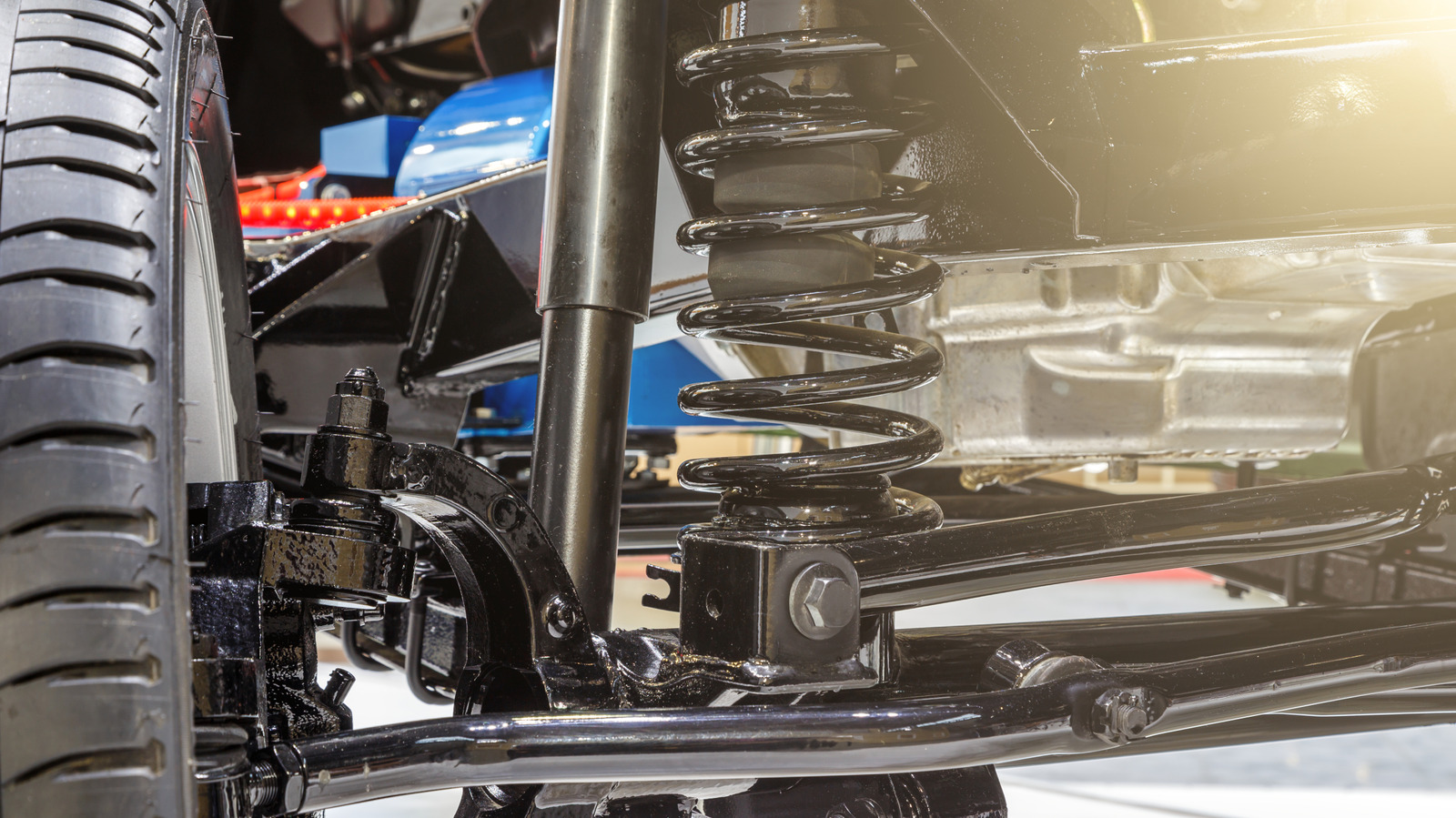
Leaf springs have been the default rear suspension on pickups and many body-on-frame SUVs for decades, largely because they are simple, durable and cheap to build. A growing number of owners and workshops are now moving away from them in favour of a four-link setup, which replaces the single stacked spring with separate links that locate the axle. The appeal is straightforward: better ride quality when the vehicle is empty and far more axle articulation when the terrain turns rough.
The core problem with a traditional leaf pack is that the same spring has to do two jobs at once, carrying the load and controlling the axle. Under hard acceleration the axle winds up and releases, producing the hop and tramp that drivers feel as a shudder or a loss of traction. Because a four-link separates those duties, the axle can travel more freely while staying properly located, and its geometry can be tuned for pinion angle, anti-squat and ride height.
For Saudi buyers, the practical comparison is usually between a four-link conversion and the alternatives sold here — a reworked leaf pack, a coil-spring conversion, air suspension, or simply a better set of dampers. It is worth noting that some of the most respected off-roaders in the Kingdom already use link-type rear suspension, which shows how much wheel travel and composure the layout can deliver.
What shoppers should watch for is execution. Link geometry, welding






التعليقات (0)
لا توجد تعليقات بعد. كن أول من يعلّق.