
When traveling with a baby, it is important to schedule feedings, in particular with regard to temperature. The question most parents ask is how to keep milk warm while traveling without affecting their safety or comfort. Whether you are on the road, boarding an airplane, or just running a few errands, it can be much easier to keep that milk at the correct temperature so that feeding time can be much easier. With proper equipment and a few smart strategies, you can make sure that the milk of your baby is kept warm and is always ready whenever they need it. In this guide, we’ll explore practical tips to help parents keep milk warm while traveling.
How to Keep Milk Warm While Traveling
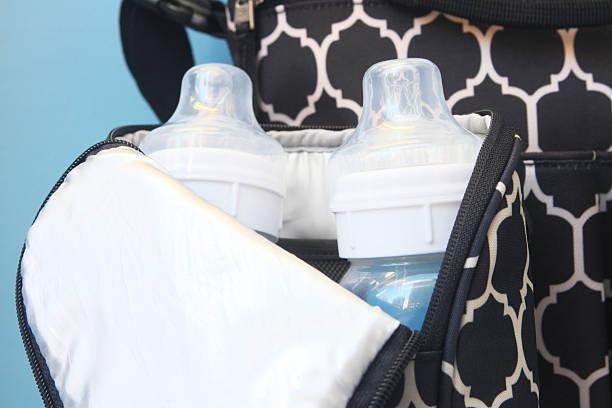
Carrying a baby is a matter of extra planning, especially feeding. One of the most debated topics among parents is the issue of preserving the warmth of milk during their travels so that their baby has an opportunity to feed at any moment that they wish. When travelling on the road, it may be far simpler to keep the milk temperature down and be able to feed when flying or just spending a day outside. And the good thing is that you can still heat the milk when travelling and can readily adapt the correct equipment and simple tricks like portable warmers, insulated bottles, and warm water tricks.
Among the possible solutions that many parents would find useful is a portable warmer, such as the Momcozy bottle warmer cordless, that would allow heating milk anywhere without the need to use a power outlet. The following are some of the real-life solutions on how to keep milk warm when traveling.
Best Travel Bottle Warmers for Moms
One of the simplest methods of maintaining the warmth of the milk during traveling is portable bottle warmers. In contrast to the old-fashioned warmers, which need a wall socket, travel baby warmers are convenient and mobile.
A lot of portable warmers can be rechargeable or battery operated, and parents can heat milk anywhere, in a car, at the airport, in the park or even during long walks. These warmers generally maintain a constant temperature, and milk does not overheat, which helps to preserve its nutrients
.
When choosing a travel bottle warmer, look for these features:
- Rechargeable or cordless design to achieve maximum portability.
- Quick heating capacity to minimize waiting time.
- Regulation of temperature to ensure against overheating.
- Compatibility with different bottle sizes
A portable warmer is especially useful when there is a long trip or flight, and there is a lack of access to warm water.
Using Insulated Bottles to Maintain Milk Temperature
Another way in which the temperatures of milk can be maintained during transportation is by using insulated baby bottles or thermal bottle containers. The containers operate on the concept of trapping the heat, and as such, milk can remain warm for a few hours.
The milk is typically heated at home by the parents, and the bottle is placed in an insulated bottle bag. It will not keep the milk warm constantly, but will enable one to have a comfortable temperature that will travel long distances in short journeys or in the course of running errands.
Here are a few tips when using insulated bottles:
- Heat the bottle with warm water and then pour milk into it.
- Choose high-quality insulated containers designed for baby bottles.
- Close the container tightly to conserve heat.
Insulated bottle bags are easy to carry, light in weight, and ideal for short journeys where you may not need to reheat.
Warm Water Methods for On-the-Go Feeding
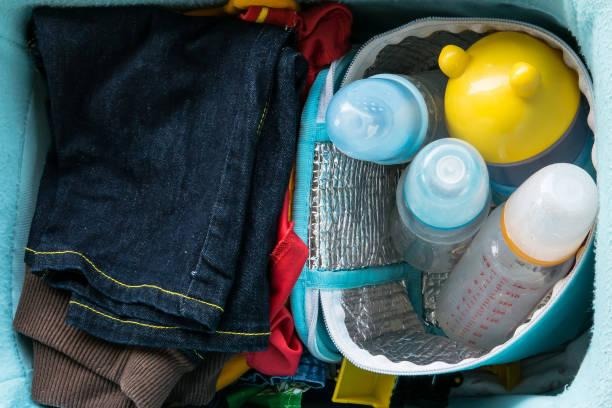
In the absence of a portable bottle warmer, the warm water technique is also a good substitute. This method resembles the familiar home warming of bottles.
To do this while traveling:
- Warm water in the thermos or insulated flask, and then leave the house.
- When you need to feed your baby, put the milk bottle into a cup or a container.
- Pour the warm water around the bottle to gently heat the milk.
- Allow it to rest for several minutes until the milk has attained the required temperature.
The process heats milk in a slow and harmless manner without direct exposure to heat. It is popular with many parents who want to keep the nutrients of breast milk or formula. You can also request a cup of warm water to warm the bottle in case you are traveling by air or going to restaurants.
Tips for Safe Milk Warming While Traveling
Warming milk on the way is important, but the main concern is safety. Poor warming may ruin nutrients in the breast milk or result in uneven warming, which will burn your baby.
Here are some essential safety tips:
Avoid microwaving milk.
Microwaves do not heat uniformly, and may lead to hot spots that may burn the mouth of your baby.
Check the temperature before feeding.
Apply a few drops on the inner part of your wrist. It is not supposed to be hot milk but rather warm.
Use gentle warming methods.
Slow warming retains the nutritional value of breast milk.
Follow storage guidelines.
Formula and breast milk should not be stored or kept at high temperatures. In case the milk is heated and is not taken within the recommended time, then it is advisable to dispose of it.
Keep bottles sealed during travel.
Properly sealed bottles reduce contamination and spills.
All these are simple measures that can ensure that the milk of your child is not only safe but also healthy.
Alternatives When a Bottle Warmer Isn’t Available
On some occasions, parents are left without a bottle warmer or a thermos. Even in such a situation, it is possible to take some viable options.
Ask for warm water at cafés or restaurants.
Most of the facilities are delighted to provide a cup of hot water to heat the baby’s bottle.
Use airport family rooms.
The airports have nursing rooms with sinks and warm water in most of them.
Body warmth method.
When you have no other options, you can have a slightly warmed refrigerated milk by holding the bottle close to your body.
Plan feedings strategically.
You should feed your baby when you can, either before going out of the home or immediately after reaching your destination.
These options are not as fast as a portable warmer in heating milk, but can be considered in a case of emergency.
Conclusion
It can be much easier and less stressful to figure out how to keep milk warm when traveling, and, in this way, it can be much easier to feed your baby. No matter your portable bottle warmer, insulated bottle bags or just a simple warm water method, there are numerous viable options out there that can be used by the parents on the go. Arranging and choosing the appropriate equipment can ensure that your baby will never miss milk at the appropriate temperature, regardless of where you are. With some prior planning, feeding time can also be easy, comfortable and safe even when you are miles away.